A Japan-China friendship exchange during my final year of university — six days across Shandong that stretched from sacred mountaintops to cutting-edge ports, and deepened my curiosity about a country far more layered than I imagined.
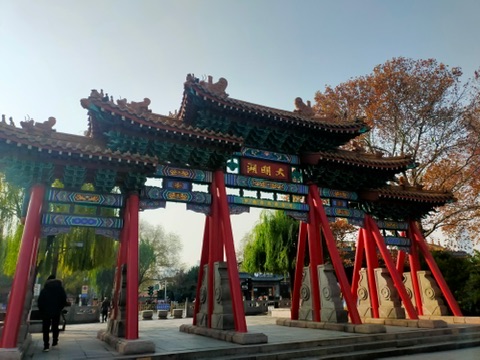
Daming Lake 大明湖
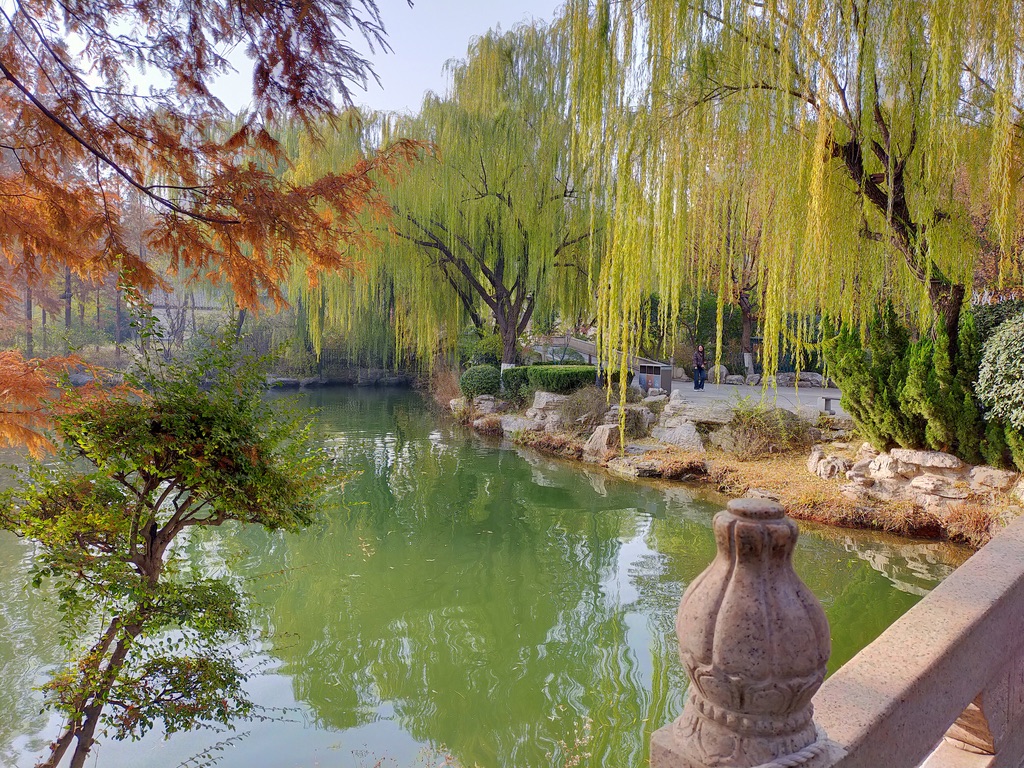
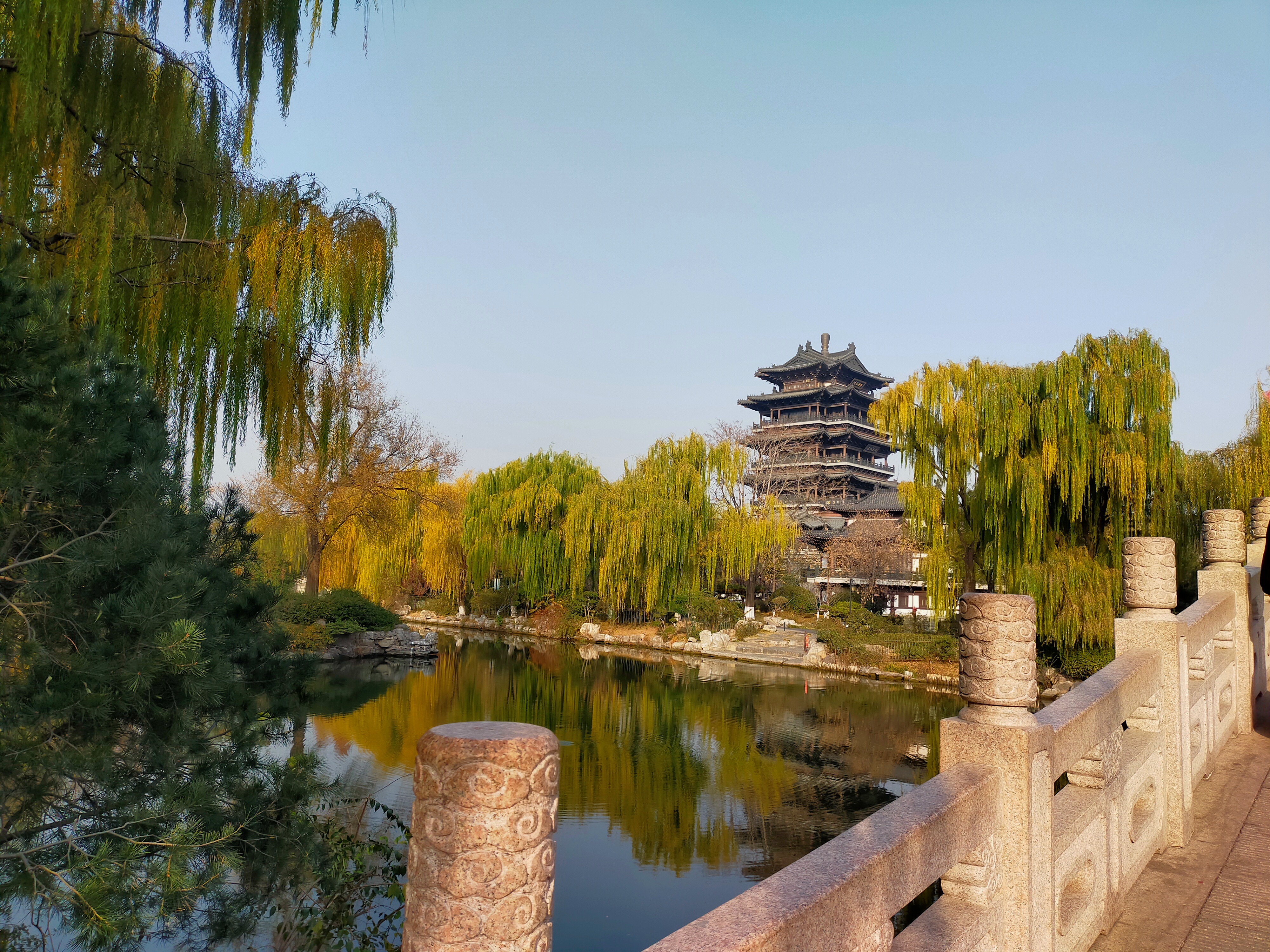
Nestled in the heart of Jinan, this serene lake felt worlds away from the city bustle. Local women had gathered near the shore, dancing in loose, joyful groups — a spontaneous scene that no guidebook could have prepared me for. Willow trees arched over the water in long, languid curtains, and the whole place carried a calm that seemed to belong to another era.
Mount Tai 泰山
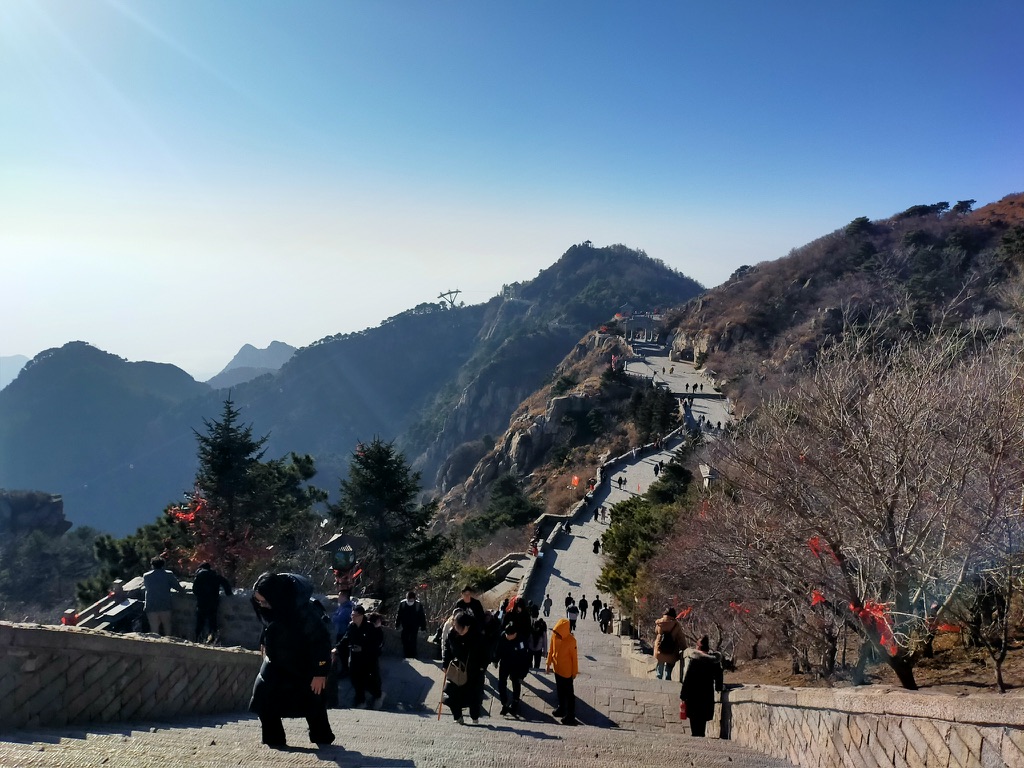
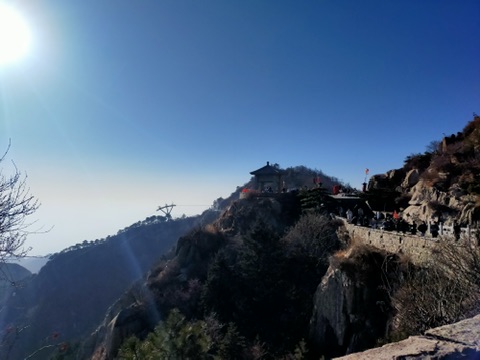
Under a clear blue sky, we climbed Taishan — one of China's five sacred mountains and a UNESCO World Heritage site. The sheer scale of the landscape from the summit was humbling in a way I hadn't expected. Stone steps, ancient pines, and clouds rolling beneath us. Nature here doesn't whisper; it commands.
Tea Ceremony & Restaurant Experience
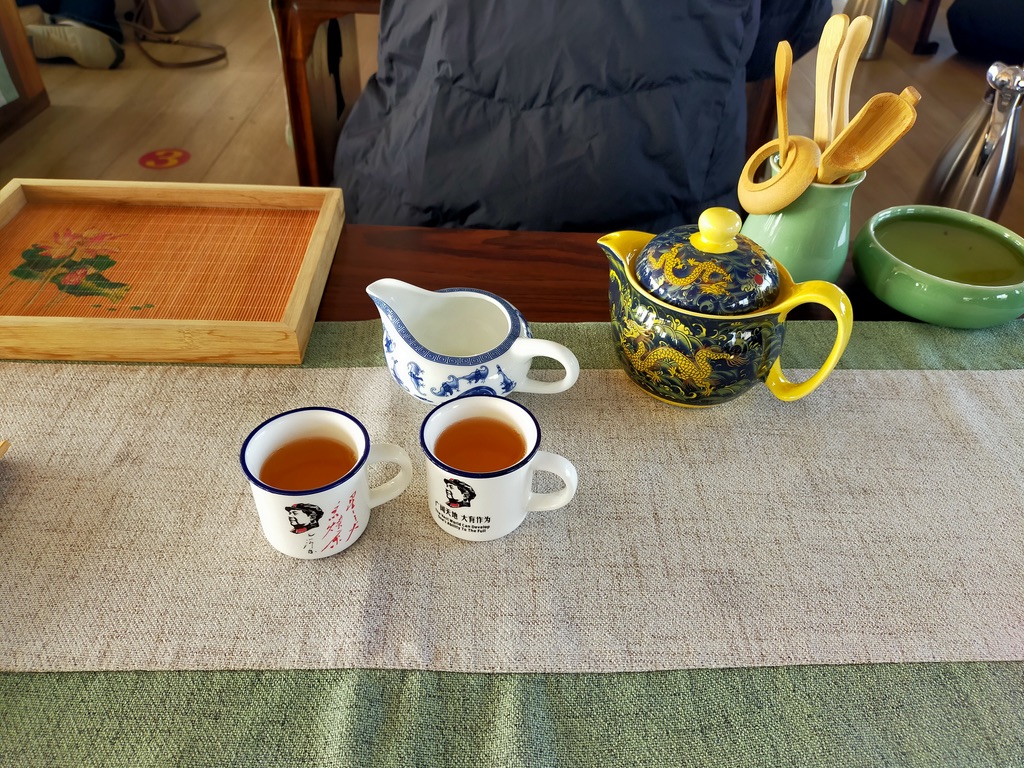
In the city centre, we experienced a traditional Chinese tea ceremony. The ritual was meticulous — warming the pot, rinsing the leaves, pouring in slow and deliberate arcs. It shared a certain meditative quality with Japanese tea ceremony, yet felt distinctly different in rhythm and flavour. The tea served was a warming red tea, perfectly suited to the December chill.
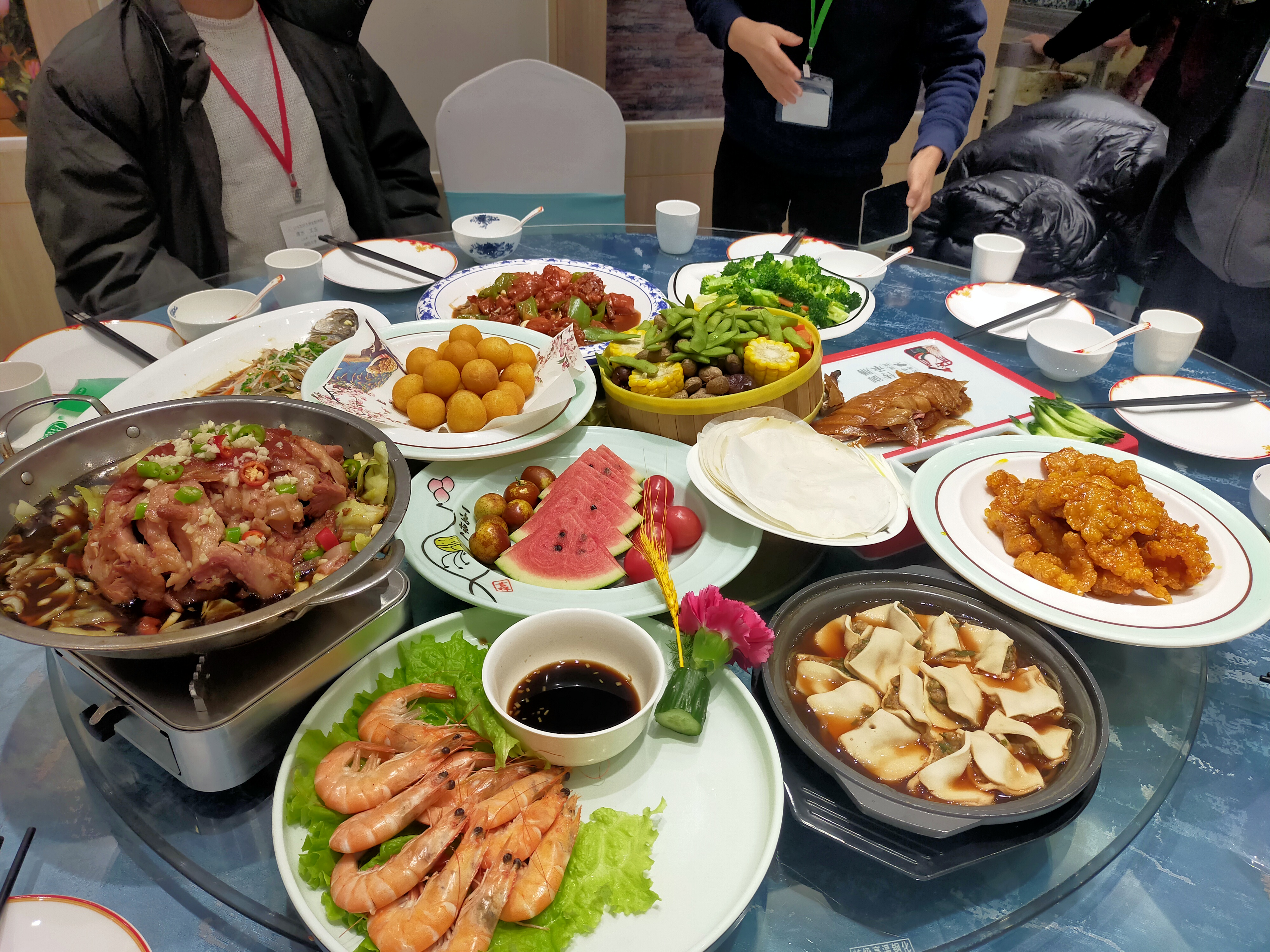
Dinner that evening was a revelation in scale. Dish after dish arrived at the table — far more than our group could ever finish. For someone raised with the Japanese concept of mottainai (勿体無い) — the deep-seated reluctance to waste anything — it was genuinely difficult to leave food untouched. Yet I later learned that in Chinese dining culture, leaving food on the table is considered a sign of generosity; it signals that the host has provided abundantly, more than enough. A small but vivid reminder that cultural values around food run deeper than the food itself.
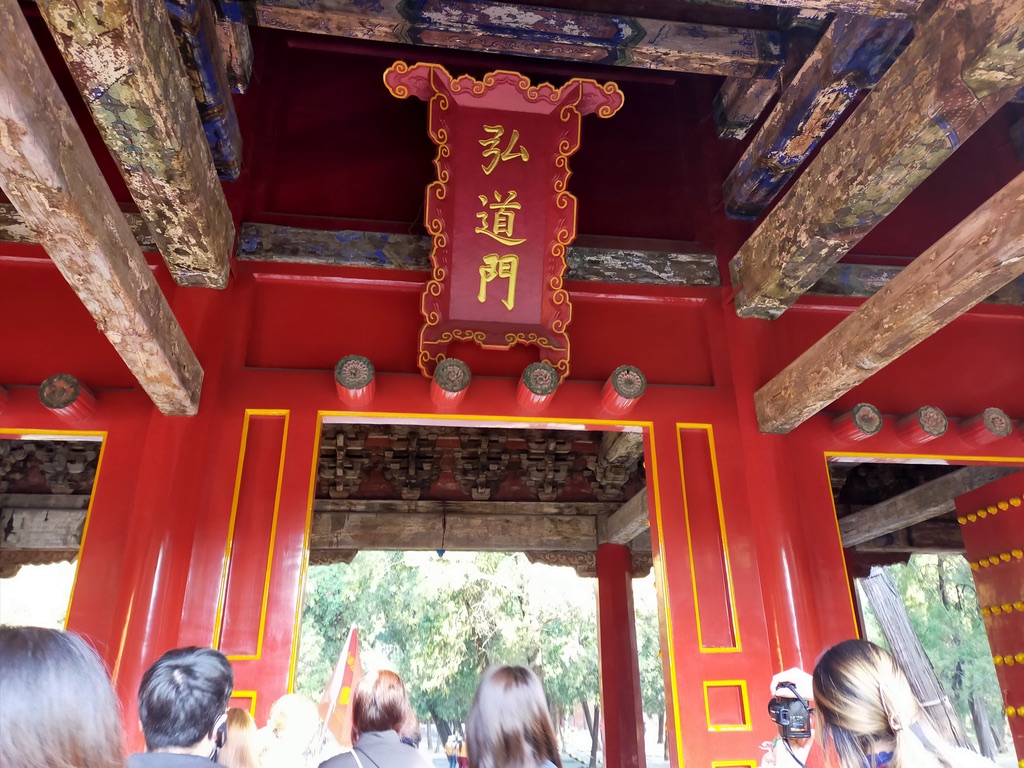
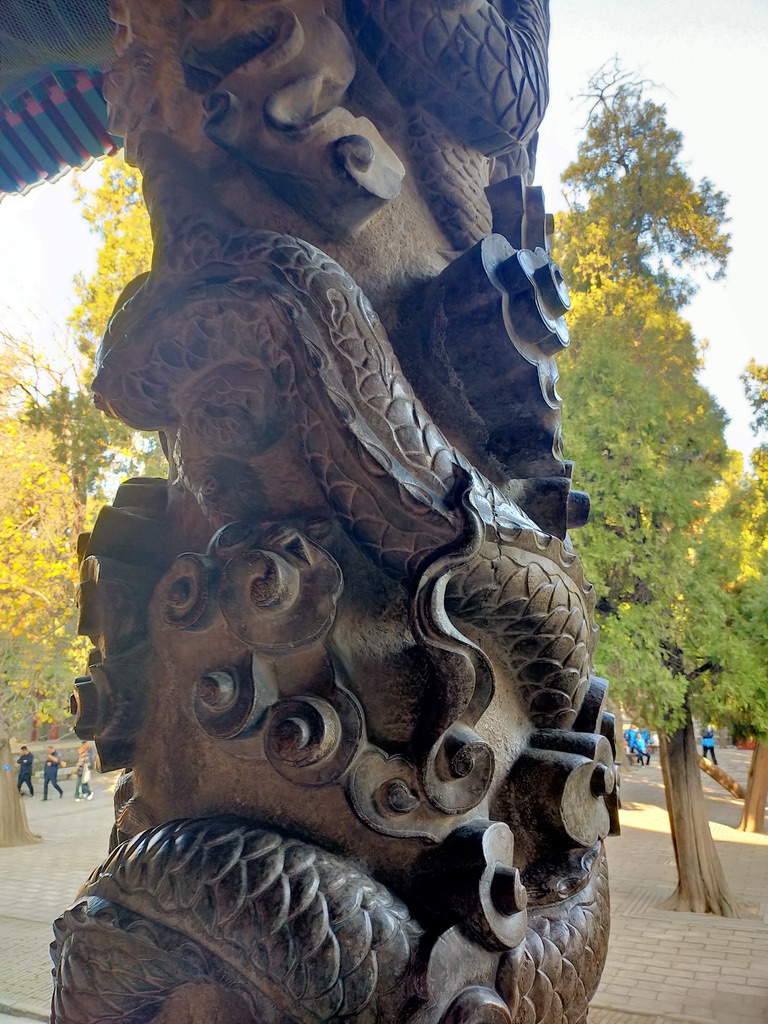
Confucius Mansion & Temple 孔府・孔廟
Qufu, the birthplace of Confucius, is a place where history feels lived-in rather than curated. Walking through the Mansion and Temple complexes, I was struck by the sheer continuity of it all — thousands of years of thought, still standing. China's historical depth is staggering.
Qingdao 青島
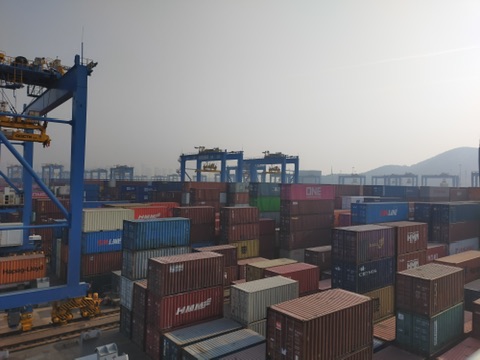
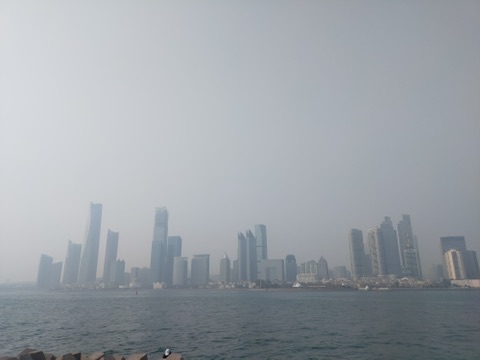
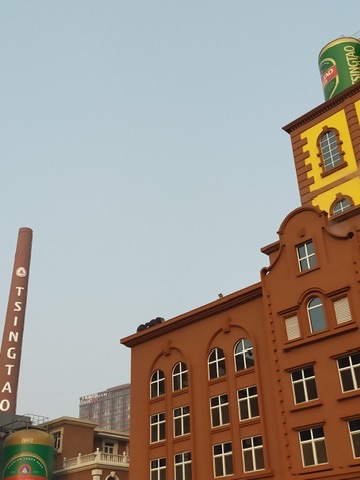
The final stretch took us to Qingdao — part industrial marvel, part seaside city with a distinctly European accent. We visited the automated container port, a glimpse into China's logistical future; then Hisense's headquarters, a reminder of the country's ambitions in tech and manufacturing. The Olympic Sailing Center offered views of the harbor, and we ended the day at the Tsingtao Beer Museum, tracing the unexpected German-Chinese history behind China's most iconic brew.
- China's scale — historical, natural, infrastructural — is something that simply cannot be grasped from outside. The World Heritage sites are vast, the mountains are vast, the ports are vast.
- The university students we met were genuinely warm and welcoming. Their fluency in Japanese and their openness challenged some of the assumptions I hadn't realized I'd brought with me.
- English has limited reach in everyday street-level China. When I tried striking up conversation in English, most people politely declined. A reminder that language learning is still the most direct bridge.
- Six days gave me a taste — Shandong alone has layers I've barely touched. I want to return, and to see more of this country that feels simultaneously ancient and relentlessly forward-moving.
- This trip was organised by the Japan-China Friendship Association (J-CFA). The official programme report — including the full itinerary and participant list — is available on their website. View official J-CFA report →